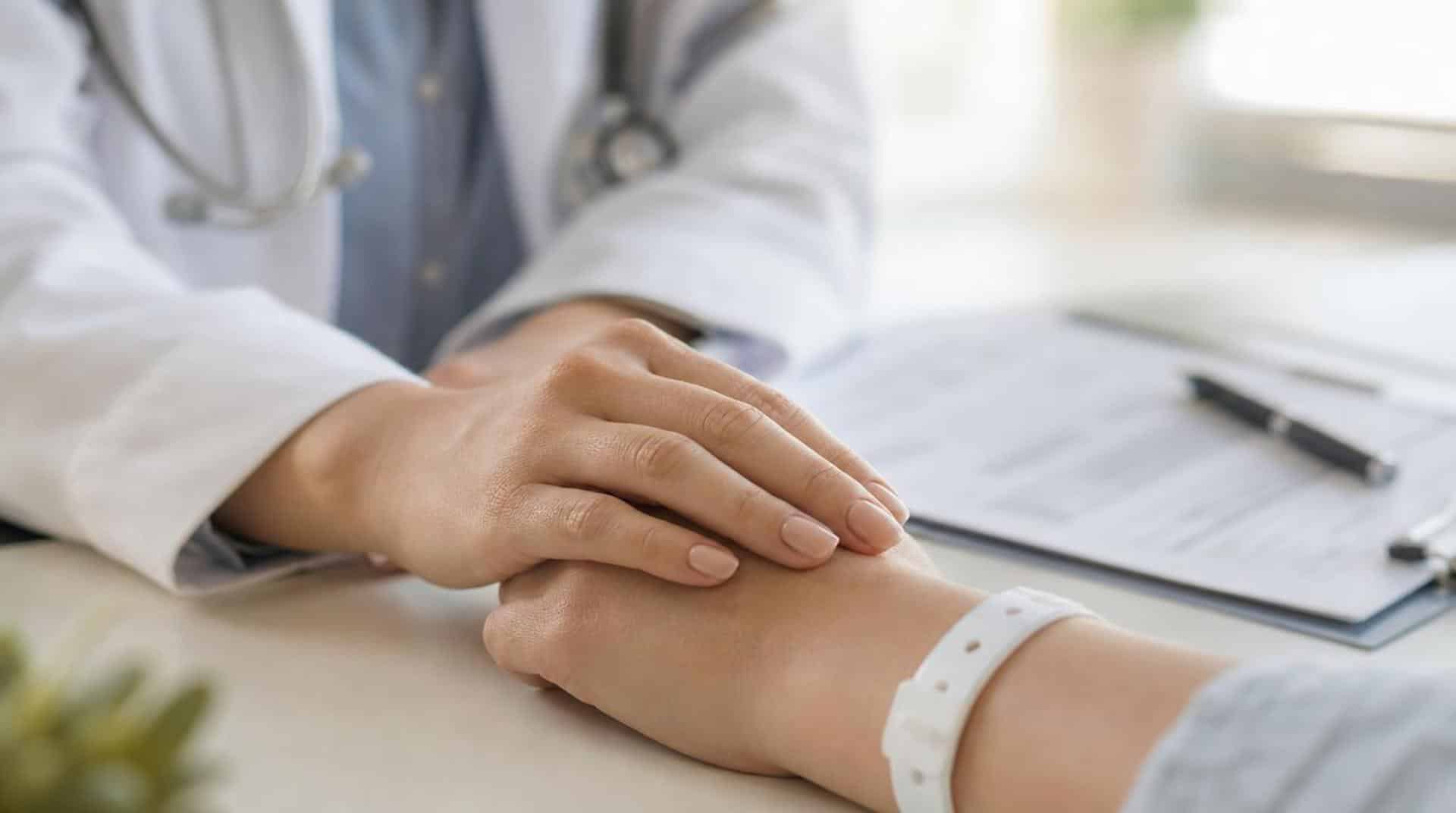

Telemedicine, or telehealth, can connect us to our doctors in ways never before possible. With prescriptions and small questions that may not require an in-person appointment, to meeting with a specialist hundreds of miles away, it’s easier to have accessible and affordable healthcare, especially in rural and underserved areas, with telemedicine. A patient with required follow up care after a surgery with limited mobility during the healing process can benefit from telemedicine. For problems that need rapid attention, it’s much easier to call, text, or video chat instead of making an appointment. Better communication with your doctor between appointments can lead to more preemptive care and avoiding having to see your physician when you’re already ill. Most discussions surrounding telemedicine focus on the impact on rural areas, where patients have to travel large distances to visit a hospital or specialist, and often even their primary care physician. Rural areas are experiencing hospital and clinic closures at faster rates; doctors may not have enough patients to maintain an office-based practice, and hospitals may lack the resources needed to support their employees or patients adequately. Telemedicine can also provide access to a larger patient base to make a rural healthcare facility more financially stable and viable Coverage Hurdles In some rural areas in Washington, it may be hard to find a local primary care provider who accepts your insurance. Telemedicine can fill this gap, as well as allowing for connections with specialists where meeting wouldn’t be feasible. Telemedicine often requires high-speed internet, and while this type of internet access is growing, it can be expensive. Telemedicine use has grown substantially, with convenience and accessibility being the greatest contributing factor. Most insurance companies only cover telemedicine to this particular reason – to expand and support coverage for the rural landscape. There are some exceptions based on the kind of illness, and its stage, allowing some persons with end-stage diagnoses to stay in their homes.
Affordable and Accessible Healthcare
In rural and urban areas there are people struggling to access affordable healthcare. Telemedicine can provide a less resource-intensive option to the traditional doctor’s appointment, or visit to an emergency clinic. Telemedicine is great for quickly diagnosing and starting treatment for minor, but intense health issues that are commonly diagnosed, like the flu, and UTIs, and chronic problems requiring prescriptions, such as diabetes. Certain follow up appointments, chronic illness visits, specialist visits, and mental health care can benefit from the integration of telemedicine. In an inpatient medical facility, telemedicine can allow for detailed and constant observation of more patients at the same time. Simultaneous monitoring of multiple patients and their vital signs can allow for a much quicker intervention when something goes wrong quickly.
How Telemedicine is Affecting the Medical Industry
Medicare is beginning the slow movement towards telemedicine coverage for more of the population. In 2020, there should be Medicare Advantage plans that cover much more telemedicine. Telemedicine has the potential to impact many lives across the country. With such advances, however, may come more medical errors. In the future, we may see more missed diagnoses and miscommunications between doctors and patients and between medical providers. Such errors can lead to serious injuries and even deaths of patients.
If You’ve Been Injured, You Have Rights
For many, telemedicine may be a very strong option, but with this option comes additional risks and cause for serious errors. If you or a loved one have been injured because of a telemedical error or due to the negligence of a telemedical professional, you may deserve compensation for the injuries. Contact us for help today.